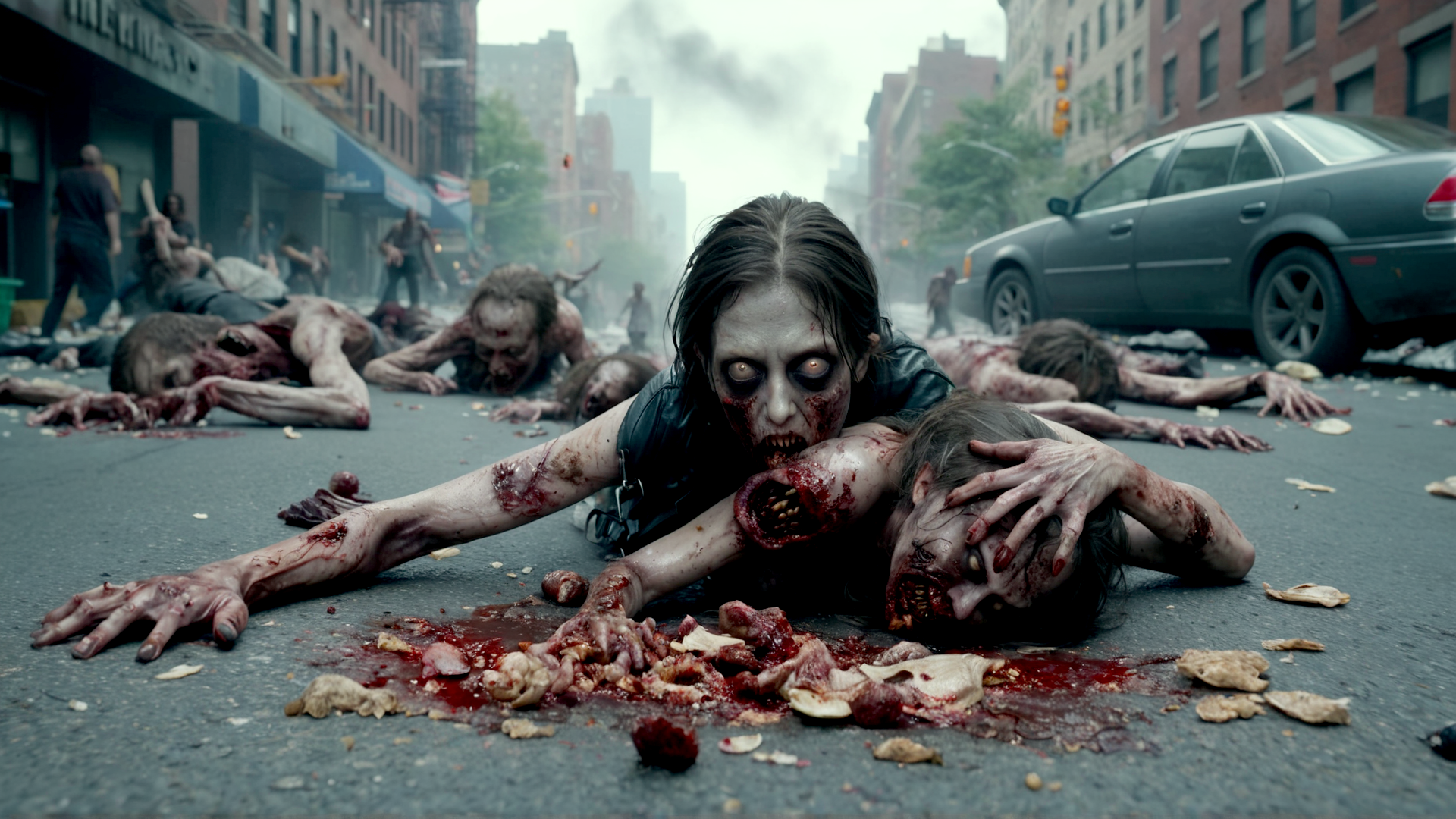
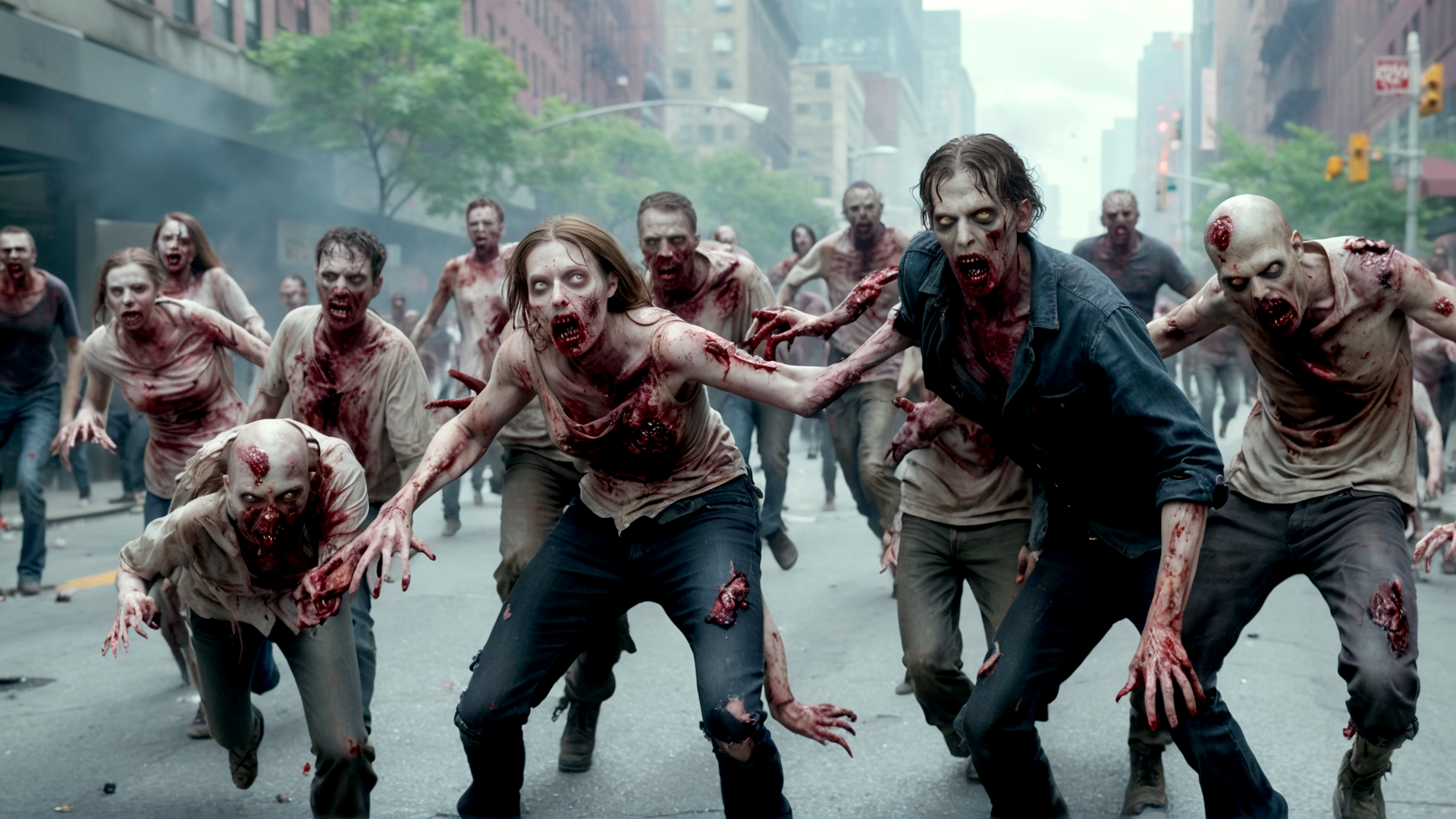
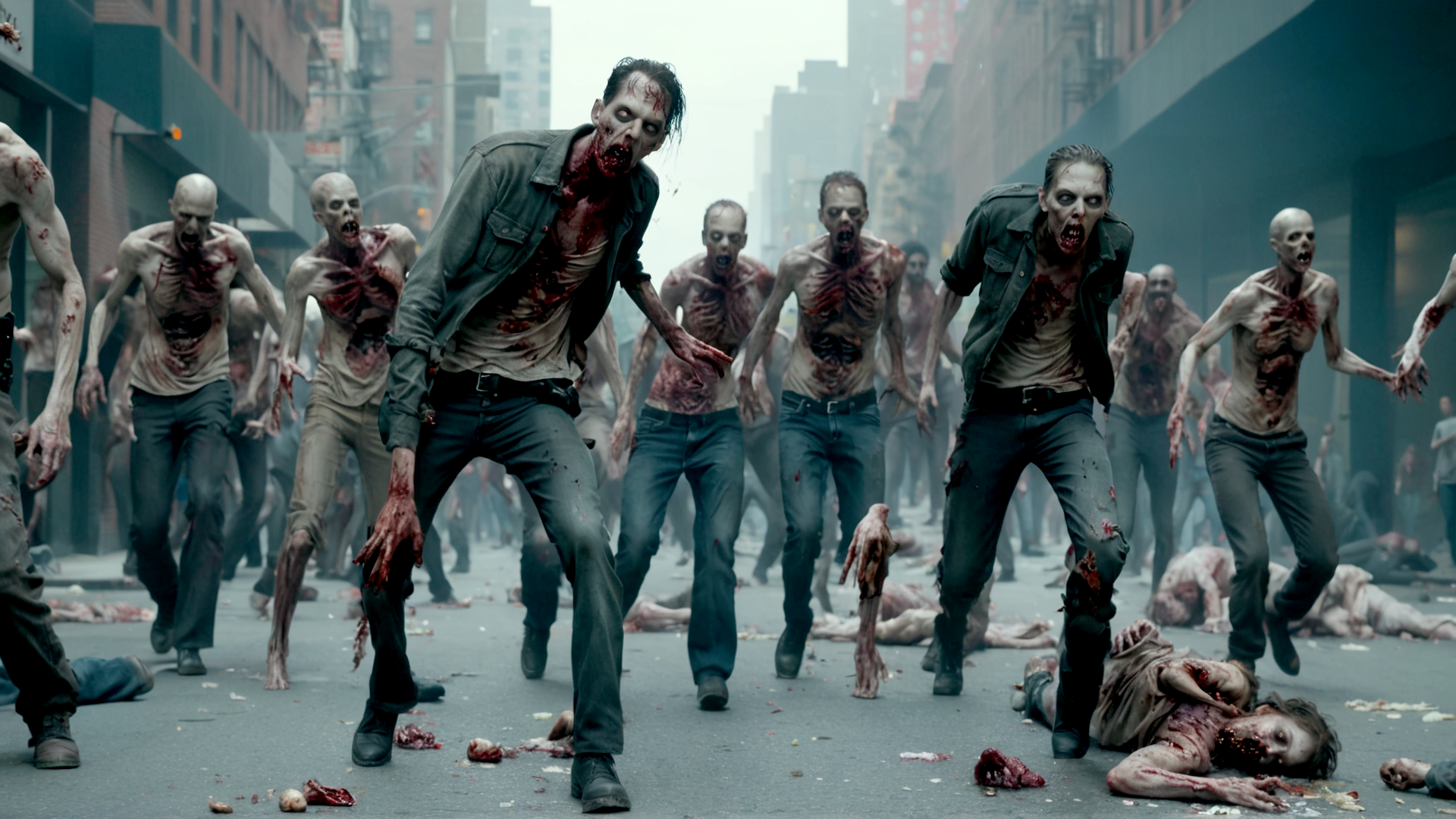
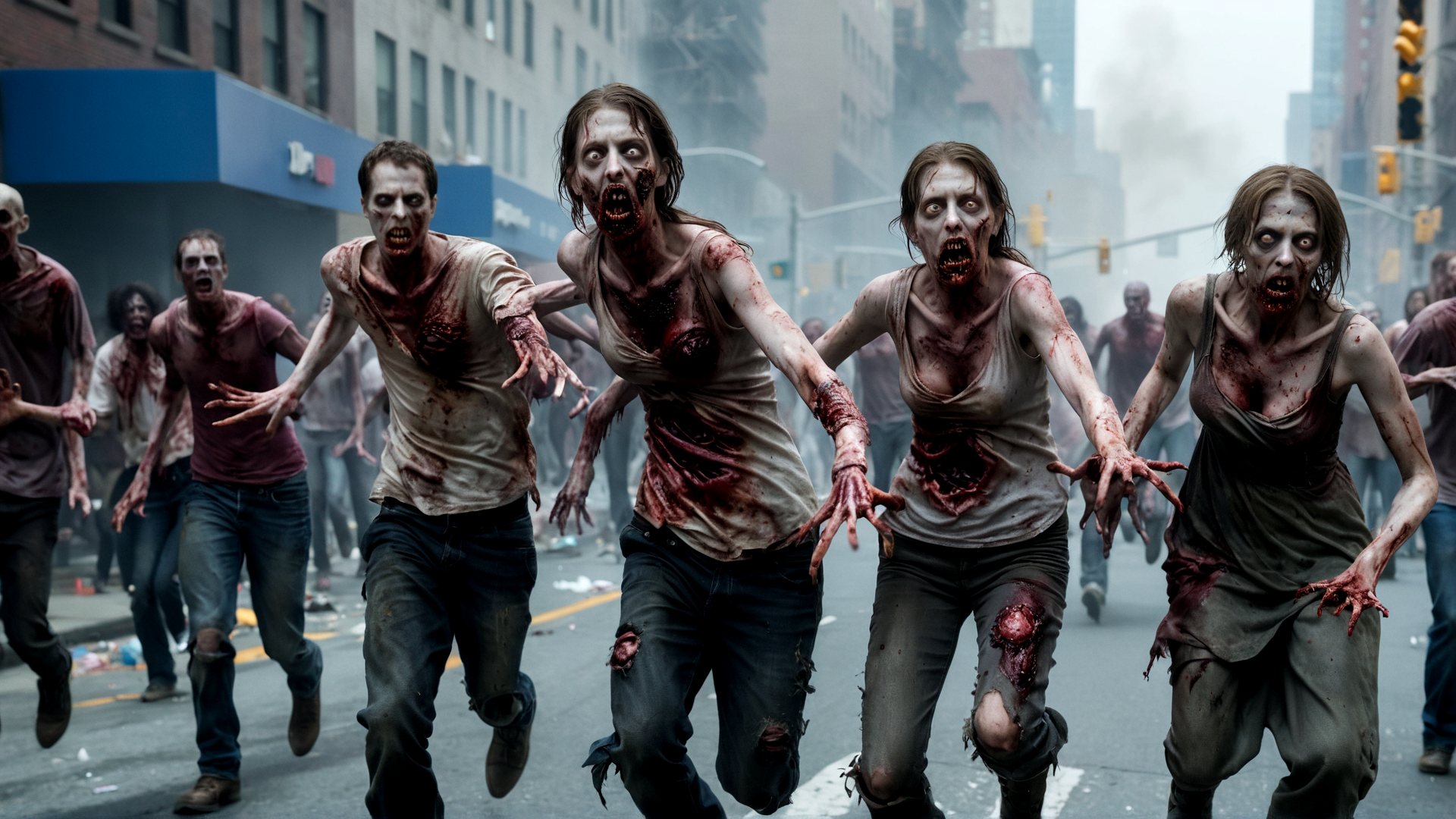
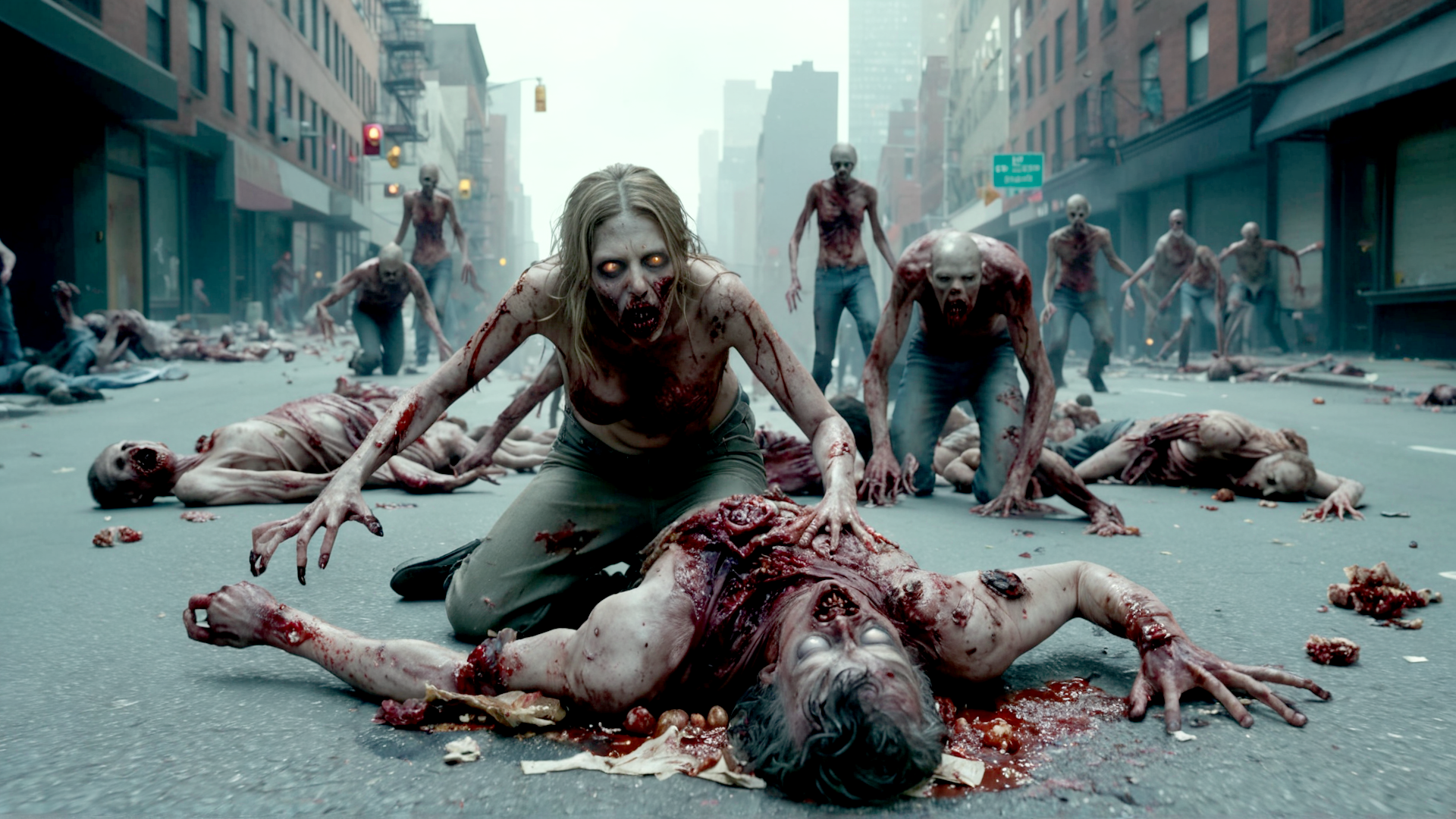
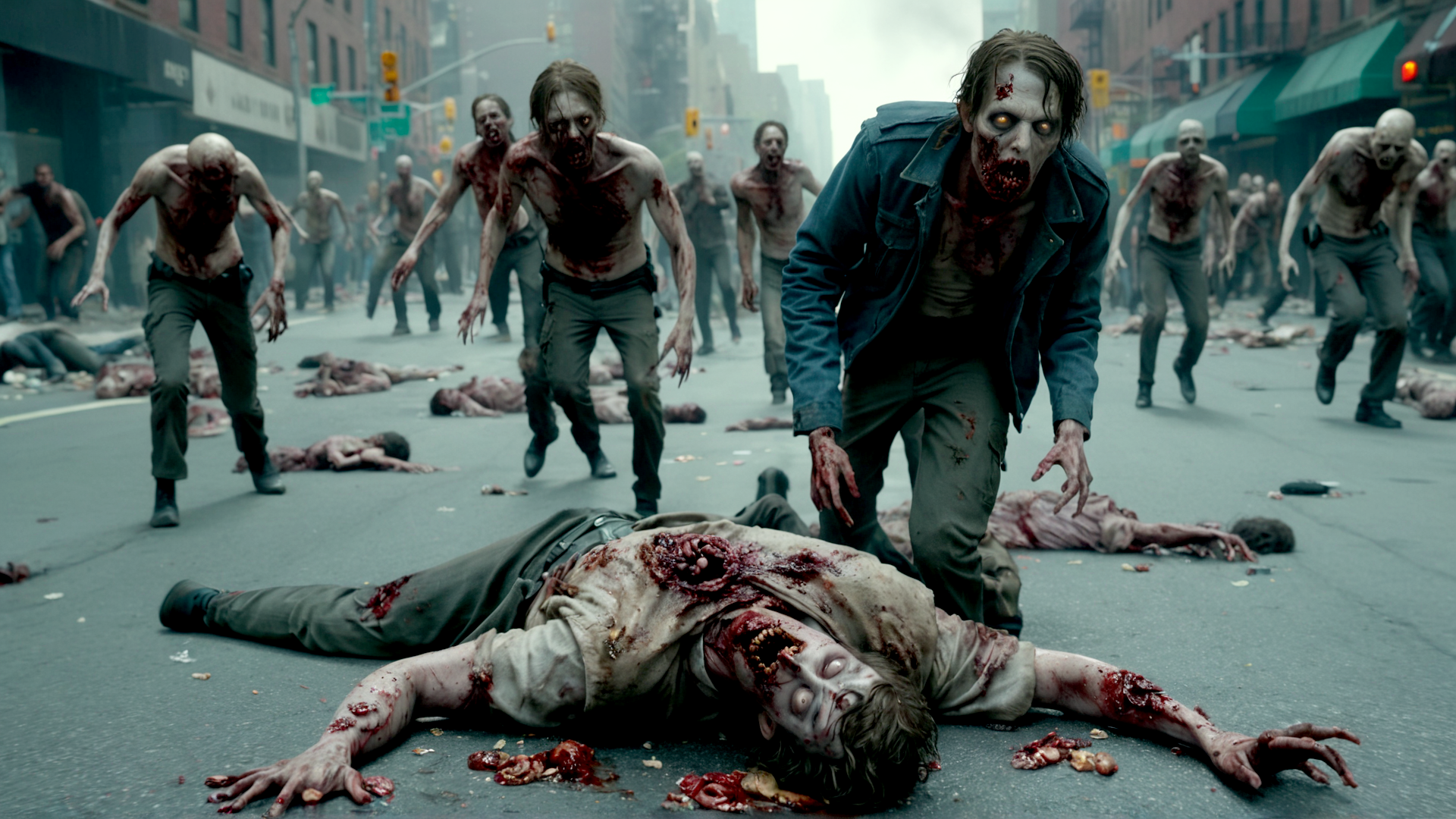
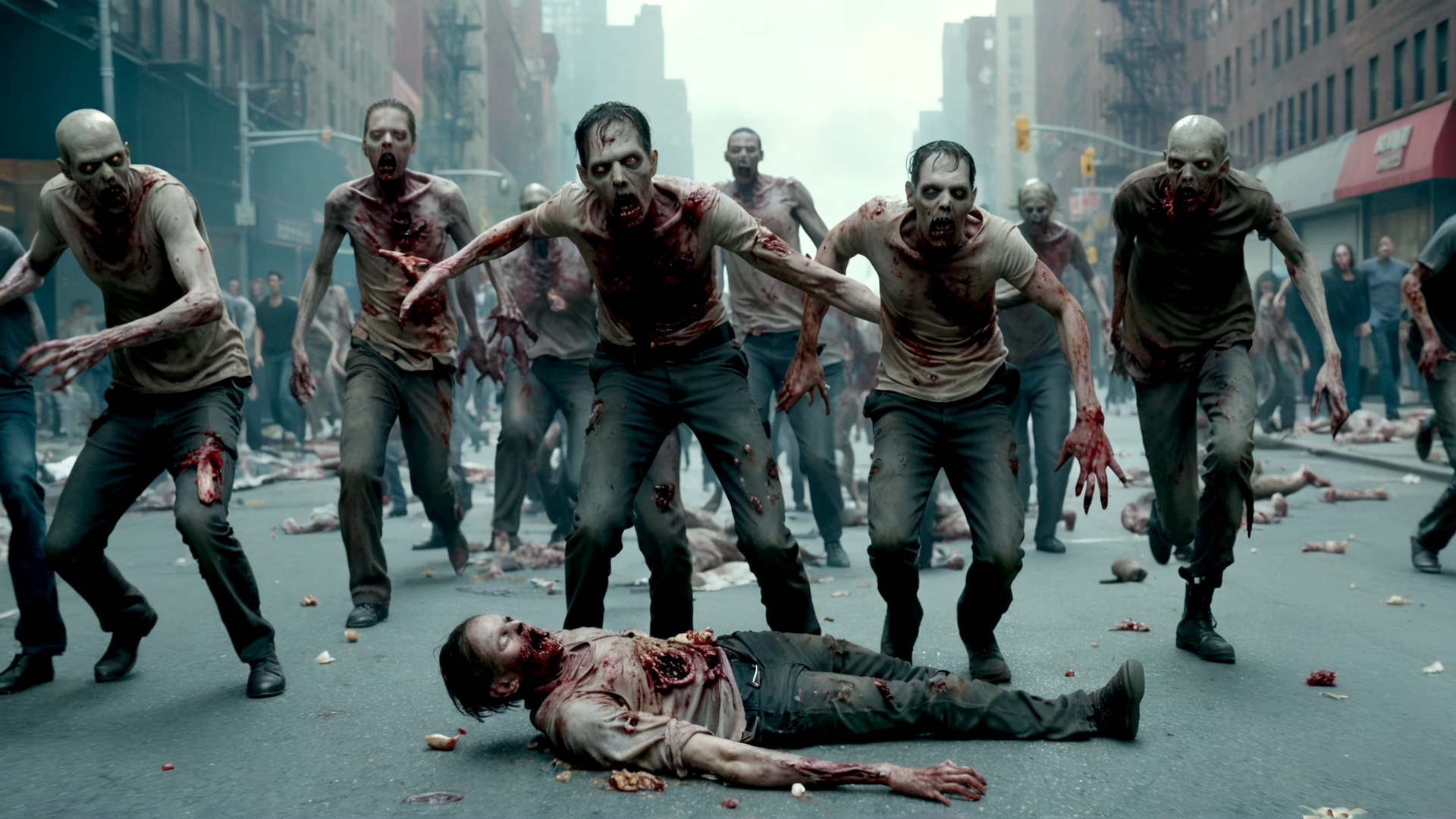
In the chaotic aftermath of the initial outbreak, cities descended into havoc and mayhem, with the streets echoing the sounds of chaos as survivors turned on one another. They battled not only the infected but also the dark impulses festering within their own hearts, fighting against desperation and fear. Amid the frenzy of scientific experimentation that led to the outbreak, an alternative theory gained traction — many surmised that the devastation originated from the Covid X virus, an engineered strain that emerged during the frenzied efforts to contain a global pandemic. Initially disregarded as a harmless bioweapon, this virus would rapidly mutate, increasing its virulence and infectivity at an alarming rate.
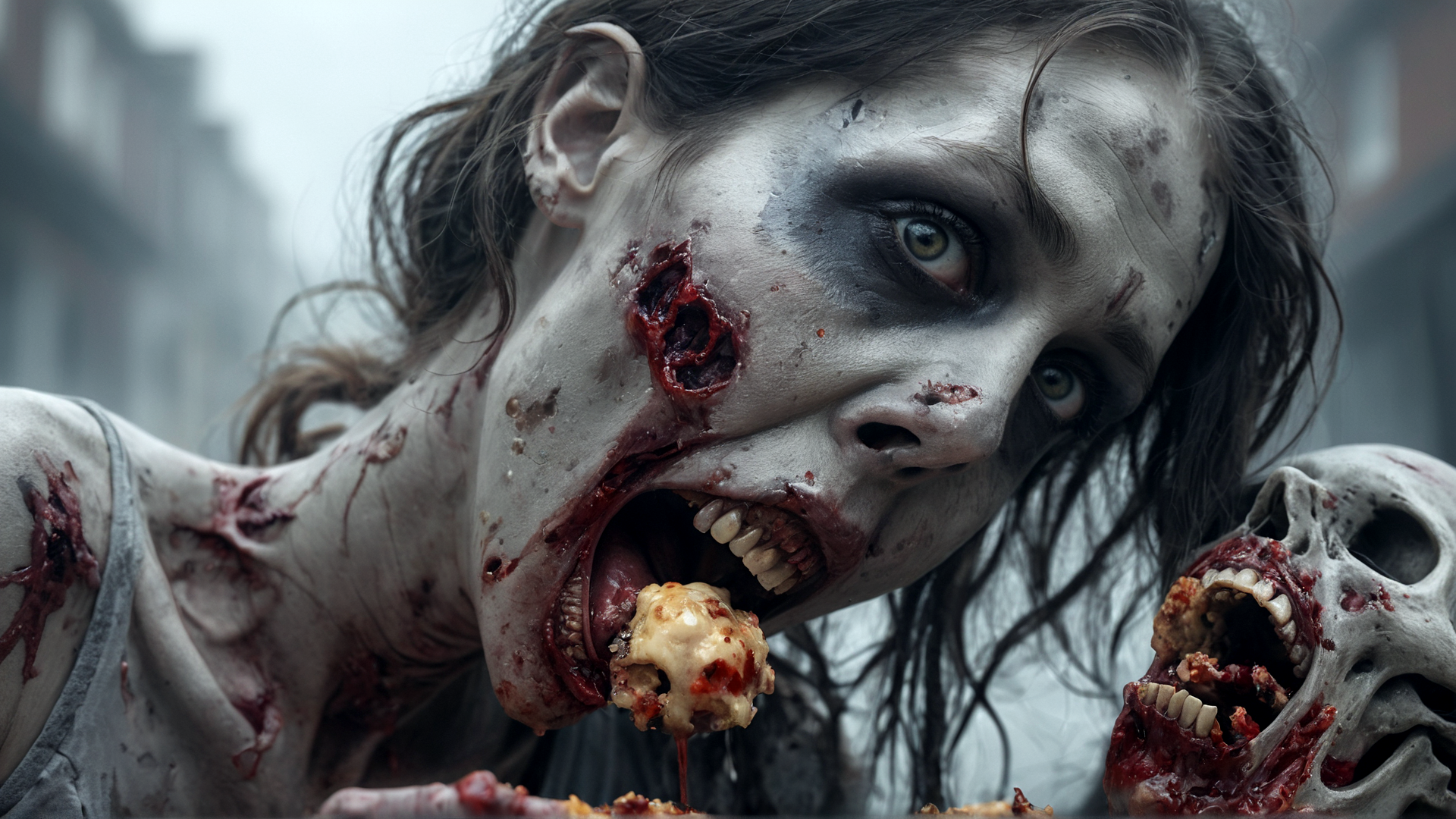
Unbeknownst to its creators, the pathogen slipped past containment measures, triggering an epidemic that transformed the infected into mindless, ravenous beings—zombies compelled by an insatiable urge for flesh. As cities fell silent, hordes of the undead roamed the streets, relentlessly hunting down the dwindling pockets of humanity. Society crumbled under the weight of fear and despair, leaving survivors to navigate a reality dominated by the relentless threat of the walking dead. In their desperate search for answers, the few remaining individuals began piecing together the harrowing timeline that led to their catastrophic existence, coming to the sobering realization that human arrogance and unbridled ambition had unleashed a nightmare from which there appeared to be no escape.
In this grim new world, the survivors forged a delicate, tenuous existence, oscillating between the hope of recovery and the despair of relentless loss. They created makeshift communities, fortified against both the undead and the encroaching chaos of their former lives. Bonds were tested, and morality often blurred in the struggle for survival. Each survivor bore the scars of loss and trauma, haunted by the memories of loved ones turned into monsters.