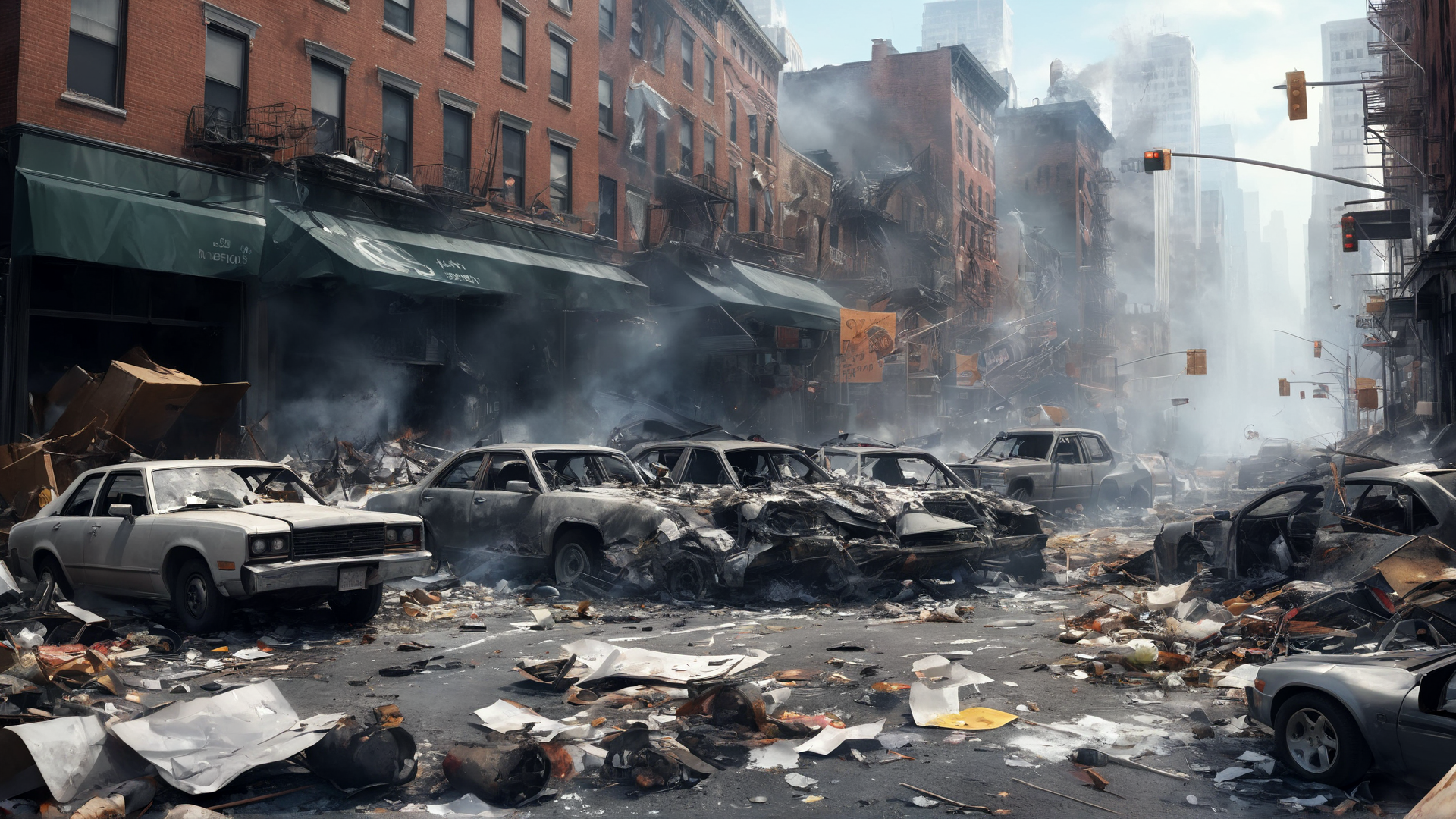
As they study the “Pillars of Resilience,” students are taught the importance of stewardship, sustainability, and empathy—principles that guide their way of life. “We are the guardians of Viktoria, our planet our home,” their instructors remind them, “and it is our duty to restore harmony with the earth.” Children engage in collaborative projects to cultivate gardens, recycle materials, and engage with the environment around them, instilling a sense of responsibility and connection to the world.
During history lessons, discussions are held with solemn respect, encouraging curiosity and critical thinking. "How could such a thriving civilization have fallen?" they ponder. The children learn not just about the past, but also about the fragility of their existence and the power of collective action, ensuring that the mistakes of yesteryear do not fade into a forgotten chapter of their newfound society. In this way, the echoes of history guide them, shaping a generation determined to build a brighter, more thoughtful future.
Some historians of Viktoria have ventured down more unorthodox paths to explain this great unraveling. They speak of a failed experiment—a reckless endeavor in the pursuit of unlimited energy that spiraled out of control, causing a cascade of events that led to societal collapse. Others point to humanity's own hubris, claiming that the insatiable consumption and disregard for nature ultimately brought about a reckoning. As Viktoria forges ahead, these theories, full of intrigue and despair, remind the inhabitants of the delicate balance between progress and catastrophe, urging them to tread carefully on the path they carve for the future.